
Waukesha Vet Clinics Brace For "Post-Shelter Surge" After HAWS Adoption Wave
Dr. Lisa Chen at Waukesha Animal Care Center says appointment volume is running 40 percent above normal, most of it first-time owners asking if their new dog is supposed to bark that much.
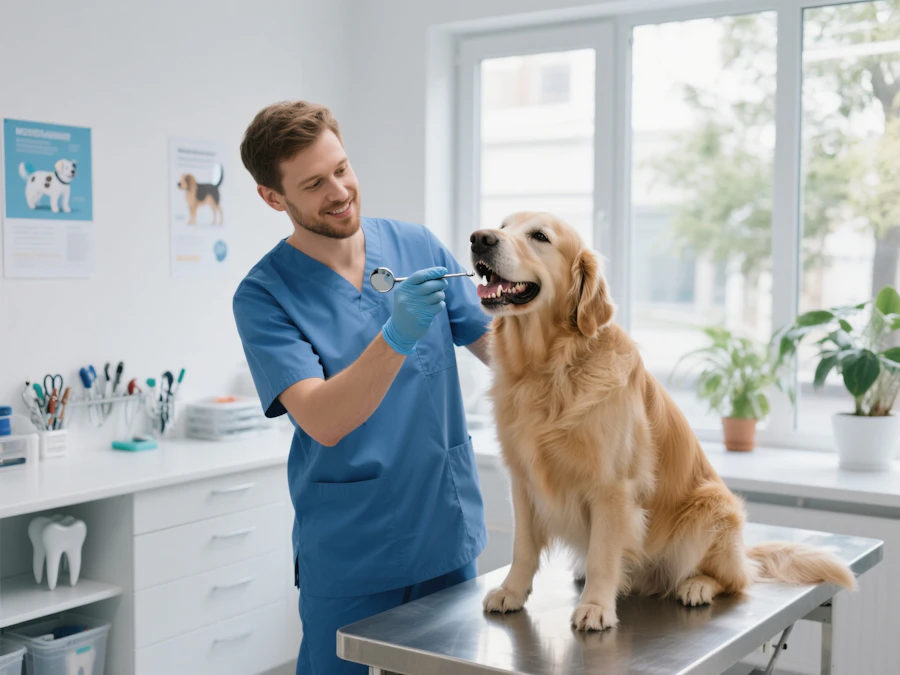
WAUKESHA — Two weeks after the Humane Animal Welfare Society placed the last of the 60 animals from its Clear the Shelters transport flight, area veterinary clinics say they are still absorbing the aftershock, with several offices reporting appointment volume 30 to 40 percent above a typical August and at least one clinic hiring temporary front-desk staff specifically to manage the phones.
Dr. Lisa Chen, who runs Waukesha Animal Care Center on the city's east side, said her practice has added two evening shifts a week since the HAWS adoption window closed August 15, and that the increase has held steady rather than tapering off the way post-event bumps usually do.
"We budget for a surge every year around this event. What we didn't budget for was the surge having this many questions attached to it," Chen said, seated in an exam room between a 2 p.m. wellness check and a 2:20 that was already running 12 minutes behind.
"Most of these calls aren't medical. They're 'is it normal that it ate my throw pillow.' I'm not being dismissive. I answer all of them."
— Dr. Lisa Chen, Waukesha Animal Care Center
The Throw Pillow Calls
Chen said roughly a third of new-client calls in the past two weeks have come from first-time pet owners asking whether specific behaviors, most commonly barking, chewing, and what she termed "general 3 a.m. restlessness," fall within a normal range for a newly adopted animal. She said her staff has begun keeping a running whiteboard list of the most-asked questions in the back office, currently topped by "is this dog supposed to sigh like that" and "can a cat be embarrassed."
Front desk coordinator Angela Voss said the clinic has fielded 94 new-client calls since August 15, up from a typical two-week count of around 60, and that the practice has started offering a free 15-minute "new pet orientation" slot to divert basic behavioral questions away from full appointment bookings. She said the orientation slots filled for the rest of August within four days of being posted.
Not Just One Clinic
Waukesha Animal Care Center is not alone. Dr. Raymond Okafor of Fox River Veterinary Group on the south side said his practice saw a comparable bump, though he characterized his clinic's version as "less philosophical and more logistical," driven mostly by microchip verification requests and follow-up vaccinations for animals that arrived on the transport flight already partially vaccinated by the originating shelter network.
"We're not seeing a lot of 'is my dog normal.' We're seeing a lot of 'HAWS gave me a folder and I don't know what's in it,'" Okafor said. He estimated his office has processed paperwork for 19 of the transport animals directly, a number he arrived at by counting intake folders stamped with the HAWS transfer logo still sitting in a tray on his reception counter.
Both clinics said they expect the elevated volume to persist through at least mid-September, based on informal tracking of prior Clear the Shelters years, though neither had a hard end date. Chen said her practice does not plan to add permanent evening hours unless the pattern repeats next year, calling the current schedule "a two-month experiment we didn't exactly volunteer for."
What New Owners Should Know
Chen said her top piece of advice for recent adopters is to resist Googling behavior questions at 1 a.m., a habit she said she can identify almost immediately from how a client phrases their question at the 9 a.m. appointment. "If you use the word 'apparently' three times in one sentence, you were up late reading forums," she said.
She added that of the behaviors clients have flagged as concerning in the past two weeks, she estimates 85 percent fall within a normal adjustment period for a newly placed shelter animal, a figure she said she has started writing directly on discharge paperwork "so people stop calling back the same afternoon."