
City's New Parking Ramp Scanners Already Generating Appeal Requests
The transition to license plate recognition technology has prompted questions about proof of payment after at least one system error.
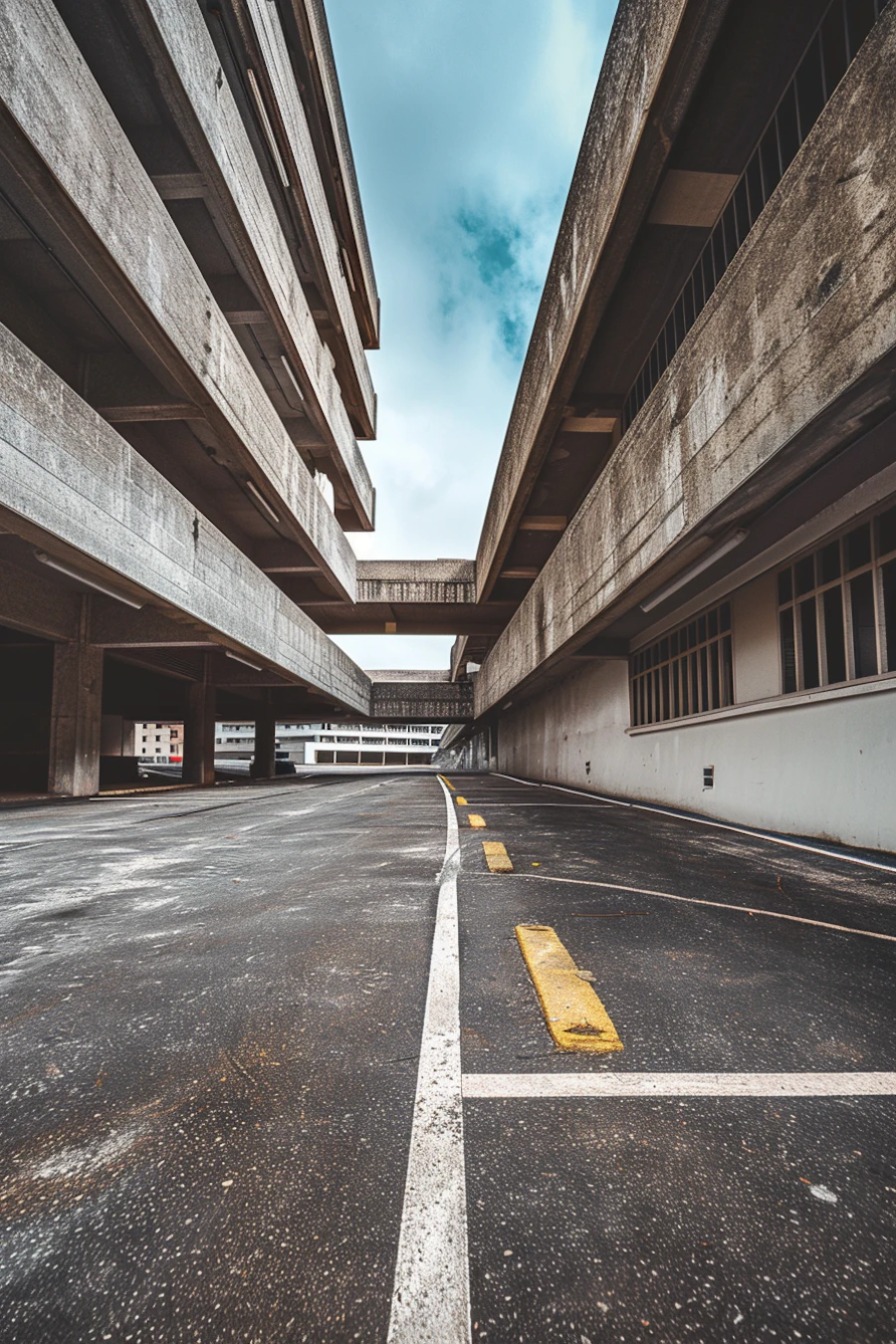
WAUKESHA — The city finished installing automated license plate recognition cameras at the entrances and exits of both downtown parking ramps, the Main Street ramp and the Wisconsin Avenue ramp, on Aug. 10, replacing the pay-at-exit kiosks that had handled ramp payments since the ramps opened. Drivers now pay through the Passport app or a linked credit card on file, with the camera reading each plate on entry and exit to calculate the charge automatically. The switch has gone smoothly for the large majority of the roughly 1,140 daily ramp exits the city tracks, according to parking operations manager Sarah Chen, though at least one driver is now disputing a citation he says the system generated in error.
David Kowalski, 56, of Elm Grove, said he parked in the Main Street ramp on Aug. 18 for a dentist appointment on East Avenue and paid through the Passport app before walking back to his car forty minutes later. Three days after that, he received a $20 citation in the mail stating no payment had been recorded against his plate. Kowalski said he still has the app's payment confirmation, a screenshot timestamped 2:14 p.m., but the citation was issued anyway. "I paid. I have the receipt. The camera just apparently didn't get the memo," Kowalski said.
"We looked into it and this is an extremely rare occurrence. That doesn't make it any less real for the person it happened to."
— Sarah Chen, city parking operations manager
How Rare Is Rare
Chen said the city's records show 11 citations issued so far under the new system that a driver has formally disputed as paid, out of 6,830 ramp exits logged since Aug. 10, a rate she characterized as "well under one percent" and consistent with the manufacturer's stated read-accuracy range. She said the Kowalski case appears to trace to a mismatch between the plate the camera captured on entry and the plate number Kowalski's phone submitted through the app, which Chen said her office is still trying to reconstruct from the transaction log. "The camera read one thing, the app has another thing, and right now those two things don't agree," she said. "We're working on which one is wrong."
To dispute a citation, drivers now upload a screenshot of their Passport payment confirmation through an online appeals portal rather than mailing a paper form, a change Chen said should shorten the average resolution time from roughly three weeks under the old kiosk system to "closer to one." Kowalski said he submitted his screenshot Aug. 19 and has not yet received a response. "I believe her that it's rare," he said. "I would just like it to also be rare for me specifically, and right now it isn't."
The View From Downtown
Margaret Dresbach, 68, who owns a home goods boutique on Broadway that has carried a "closing sale" sign in its window since March, said she has already fielded two customer complaints about the new system in its first two weeks, and that the Downtown Business Improvement District's shared Google listing has picked up two one-star reviews this month specifically citing "confusing new parking cameras." "A tourist doesn't care whose fault it is," Dresbach said. "They care that they got a ticket in Waukesha, and now that's the story they tell about Waukesha."
Downtown Business Improvement District manager Kevin Reitz called the disputed citations "part of the parking technology learning curve" that followed the district's QR-code rollout earlier this month, and said his office does not yet see a pattern serious enough to recommend reverting any part of the system. "Every time we change how people pay for parking, a small number of people have a bad week," Reitz said. "We'd rather have that than coin jams in January. But I understand that's not much comfort to the guy with the ticket."
What Happens Next
Chen said the city has not changed its position that the camera system is functioning as intended, but confirmed her office is auditing all 11 disputed citations individually rather than processing them through the standard appeals queue, and has asked the vendor for entry-exit log data on each flagged plate. She said the city has not identified a common cause across the disputes beyond Kowalski's case. Councilman Gary Puchalski, asked whether the city had a timeline for resolving the backlog, said only that "the technology is sound, and we're confident the process will catch up to it," adding that he did not consider 11 disputes out of 6,830 exits to represent "anything the city needs to apologize for at this stage."
Kowalski said he plans to keep the citation's paperwork regardless of how the appeal turns out. "Not because I think I'll need it again," he said. "Because at this point it feels like something I should hold onto."