
Downtown Parking Meters Fully Replaced By QR Codes; City Calls Transition "Surprisingly Smooth"
The Downtown Business Improvement District reports a 94% first-day transaction success rate after the city removed its last coin-operated meter Thursday.
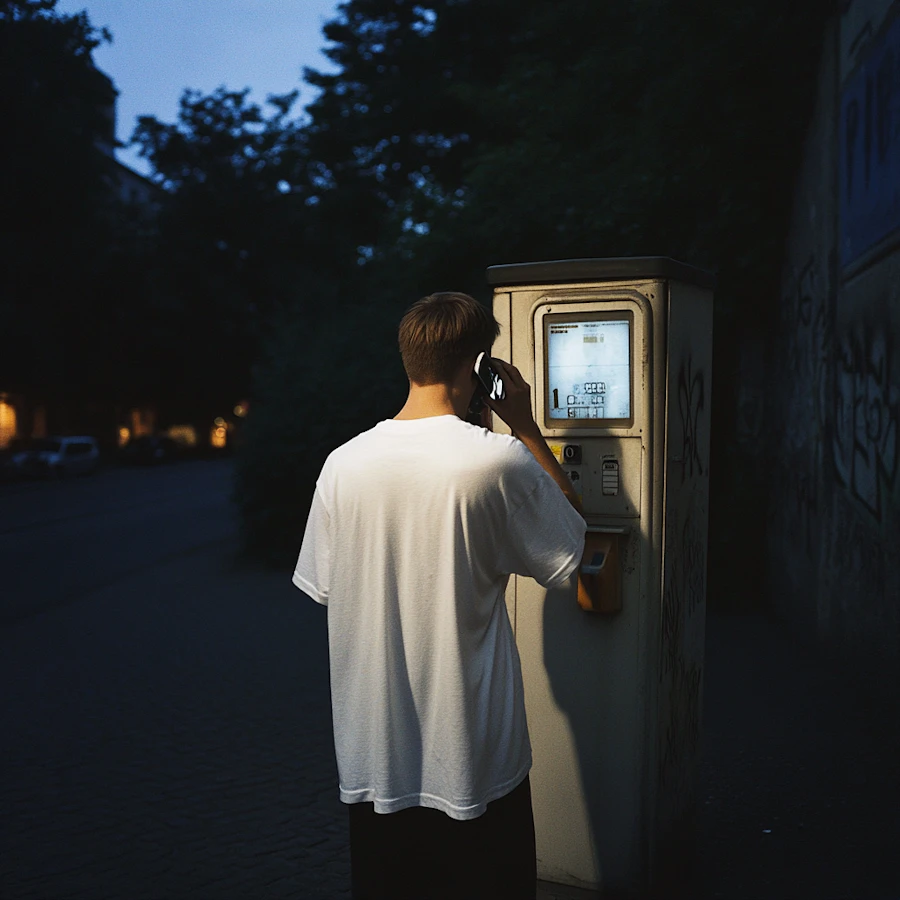
WAUKESHA — The city completed its downtown parking payment migration Thursday, removing the last of 214 coin-operated meters along Broadway, St. Paul Avenue, and Wisconsin Avenue and replacing them with small placards bearing a QR code linked to the WaukeshaPark mobile app. By early Friday afternoon, the Downtown Business Improvement District was calling the rollout "seamless," citing a 94% first-day transaction success rate compiled from parking enforcement data.
Downtown Business Improvement District manager Kevin Reitz, 52, said the figure exceeded internal projections, which had assumed a first-day success rate closer to 80% based on comparable rollouts in Brookfield and Oconomowoc. "We planned for confusion," Reitz said. "We planned for people standing in front of a pole looking for a coin slot that no longer exists. That did happen, twice, that we know of. But 94% is 94%."
"I want to be clear, this went about as well as it could have gone. I'm choosing my words carefully because I know what happens the second week."
— Kevin Reitz, Downtown Business Improvement District manager
The Old Meters
The removed meters, most installed between 1998 and 2004, accepted quarters and, as of a 2019 upgrade, a limited set of prepaid parking cards sold at City Hall. City Engineer records show the meters required an average of 11 maintenance calls per month across the district, largely for jammed coin mechanisms attributed to Wisconsin winters. The new system requires no coins, no cards, and no maintenance calls, according to Reitz, who noted the district has not yet had a chance to verify that last part beyond "one week of very promising silence."
Vendors along the Saturday farmers market route, coordinated through Woodman's outdoor produce stand and several independent sellers, were among the first to test the new system on a live basis. A Piggly Wiggly employee, Todd Bilkiss, 34, who parks downtown daily for his shift at the west-side store, said the app took him "maybe 45 seconds start to finish" on his first attempt, and that he found it "easier than swiping a card at the register, and I do that eight hours a day."
The Remaining 6%
Of the roughly 3,100 parking transactions the district logged Thursday, an estimated 186 did not process successfully on the first attempt, according to figures Reitz described as "preliminary and probably generous to us." Causes cited included weak cell signal near the Fox River underpass, three reported instances of drivers attempting to scan a code with a phone camera app rather than the WaukeshaPark app itself, and one case, confirmed by a parking enforcement officer, of a driver photographing the QR code "to look at later" and walking away without completing payment at all.
Reitz said the district does not consider the 6% failure rate a crisis, but called it "the number we're going to be staring at for a while," and noted that a printed insert explaining the app has been added to the Downtown Business Improvement District's quarterly newsletter, mailed to roughly 1,400 downtown-adjacent households.
What Happens Once The Novelty Wears Off
Reitz was measured when asked whether the strong first-day numbers would hold. "Day one, everybody's paying attention because it's new," he said. "Day forty, somebody's phone is dead, or they left it in the other car, and that's when we find out what this system is actually made of." He said the district plans to track weekly success rates through Labor Day before drawing any conclusions.
Councilman Gary Puchalski, asked for comment on the transition, called it "a clear signal that downtown Waukesha is moving forward," and noted that the QR placards cost the city significantly less to install than the meters they replaced, though he did not have a per-unit figure available. He added that the change should not be read as commentary on the several downtown boutiques still displaying "Everything Must Go" signage, which he said was "a separate matter, and frankly none of the app's business."
Bilkiss said he intends to keep using the app "as long as it keeps working," and that his only remaining concern was what happens the first time it rains hard enough that he does not want to take his phone out of his pocket at all. "That's the real test," he said. "Not day one. Day one it wasn't raining."