
Tall Pines Conservancy Bus Tour Exceeds Educational Expectations Of Attendees
Saturday's "Bus to the Barns" tour drew 28 residents expecting scenic farmland and got detailed lectures on soil pH and crop rotation instead.
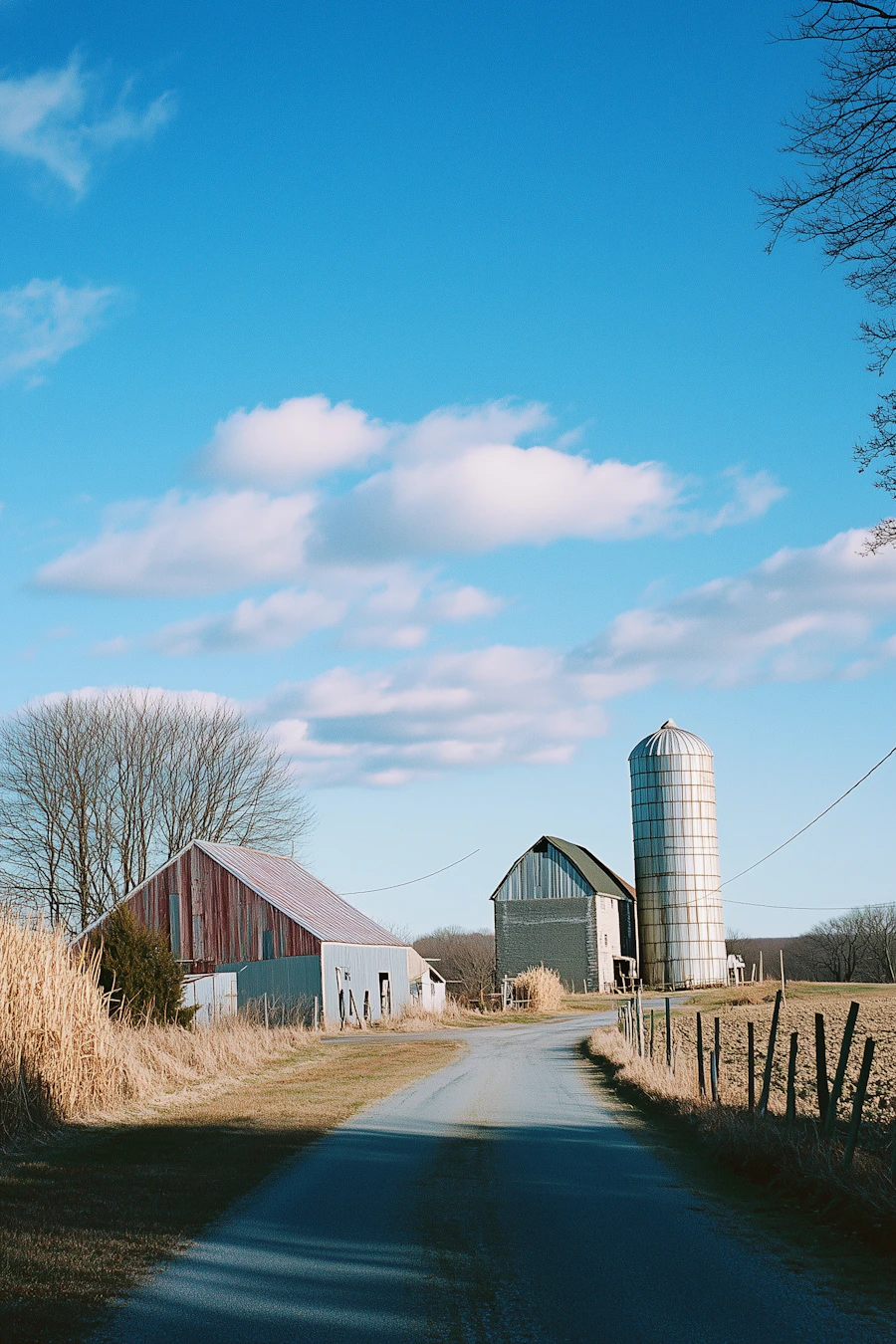
WAUKESHA — The Tall Pines Conservancy's "Bus to the Barns: From Field to Future" outing, a 90-minute motorcoach tour advertised in the conservancy's spring newsletter as a chance to "see where your food actually comes from," took 28 Waukesha County residents past four working farms in Genesee, Merton, and Vernon last Saturday and stopped, at length, at each one for a PowerPoint presentation.
The tour departed the conservancy's visitor center on County Road TT at 9 a.m. sharp and returned at 10:34 p.m., 34 minutes behind its printed schedule due to what staff agronomist Greg Halvorsen described as "a really productive back-and-forth" during the nitrogen cycling segment at the second farm. Attendees were given a laminated itinerary card at boarding that listed four stops and, in smaller print near the bottom, "presentations at each location, approx. 15-20 min."
Janet Koehler, 73, of Frame Park, said she and her sister-in-law, Carol Nowak, 71, signed up after seeing a flyer at the Waukesha Public Library that showed rolling hills and a red barn. "I pictured us on a bus, looking out a window, maybe somebody pointing at a cow," Koehler said. "What we got was a man with a laser pointer explaining soil pH balance for eleven minutes at our first stop, before we'd even seen the cow."
"I expected more scenery, less science."
— Janet Koehler, 73, Frame Park, tour attendee
Nowak said she counted 47 slides across the day's four presentations, a number she arrived at "mostly out of self-defense," and that the second stop's segment on nitrogen cycling ran long enough that the bus driver, identified by Halvorsen only as "Ron," returned to his seat and ate a sandwich rather than stand near the group.
Market Economics Slide Ran Twenty-Six Minutes
The tour's third stop, a 40-acre vegetable operation in Vernon, included a presentation on market economics for small-scale producers that Halvorsen had budgeted at fifteen minutes and that ran twenty-six, driven largely by a question-and-answer exchange between the farm's owner and a retired accountant on the tour who asked, according to three attendees, "a series of increasingly specific questions about wholesale pricing structures that nobody else on the bus had opinions about but everybody had to sit through."
"We had one gentleman who was very into the supply-chain logistics portion," Halvorsen said. "He's actually why we ran long at every stop. I don't think it's a bad thing. I think it's engagement." Halvorsen identified the attendee only as "a Mr. Feldner" and said the conservancy had already invited him back for a future session focused specifically on cold-chain transport, which Feldner had inquired about unprompted at stop three.
Not every rider considered the day a disappointment. Ruth Danielsen, 68, a retired Waukesha West biology teacher, said the tour was "the most substantive thing I've done on a bus since a field trip in 1987" and had taken eleven pages of notes in a spiral notebook she brought specifically for the occasion. "I loved every minute of the soil pH portion," Danielsen said. "I wish it had been longer, honestly. Some of these folks wanted a hayride. I wanted a syllabus."
Conservancy executive director Paula Rickert defended the tour's format, saying the itinerary card's description was accurate and that the "Field to Future" framing in the event title was meant to signal an educational component from the outset. "We didn't advertise this as a scenery tour," Rickert said. "We advertised it as an agricultural literacy tour with scenery. I think some folks read the photo of the barn and stopped reading."
Rickert said the conservancy plans to run two more "Bus to the Barns" dates before the season ends, in September and October, and is considering adding a note to future flyers clarifying the presentation-to-scenery ratio "so we're not fielding the same surprise twice." She said registration for the September date opens Monday and that seating is limited to 30.
Koehler said she would likely attend the September tour anyway, calling Saturday's outing "not quite the relaxing afternoon I was expecting, but I did learn what nitrogen cycling is, and nobody can take that away from me now." Nowak said she would bring her own notebook next time, "just in case."