
Epizootic Hemorrhagic Disease Confirmed In Waukesha County Dairy Cattle; County Extension Urges "Fly Management And Vigilance"
The Wisconsin Department of Agriculture confirmed samples from non-lactating dairy cattle tested positive for EHD, a viral livestock disease spread by biting flies.
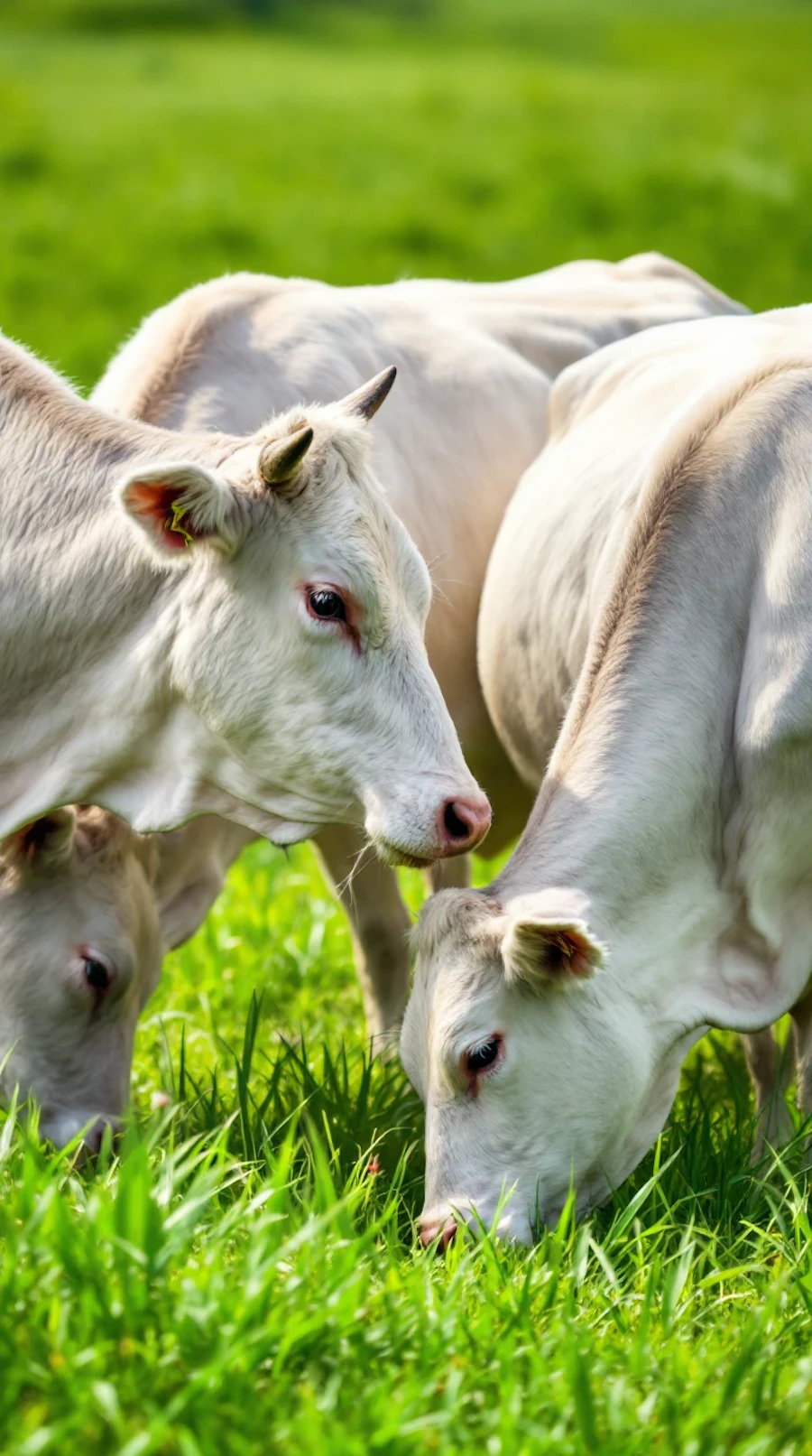
WAUKESHA — The Wisconsin Department of Agriculture, Trade and Consumer Protection confirmed this week that samples collected from non-lactating dairy cattle at a Waukesha County operation tested positive for epizootic hemorrhagic disease, a viral infection transmitted by biting midges that state officials say is being reported earlier in the season than usual this year.
The Waukesha County office of the UW-Madison Division of Extension said it has begun scheduling one-on-one consultations with dairy operations across the county to walk producers through fly management, pasture rotation, and basic herd health monitoring, and confirmed that four consultations were booked within the first 26 hours of the advisory going out.
"It's manageable, but it's worth watching," said Dr. Petra Volkman, a large-animal veterinarian who consults for three Waukesha County dairy operations and reviewed samples from the confirmed herd. She said EHD in cattle typically presents more mildly than in white-tailed deer, where it is better known, but that affected animals can still show fever, lethargy, and reduced appetite for one to two weeks.
"I've seen worse. I'm not going to get into what."
— Local cattle farmer, declining to elaborate
Fly Management, Explained At Length
County extension agent Rhonda Speer said the consultation sessions run roughly 40 minutes and cover insecticide ear tag rotation, standing-water elimination near feed lots, and the timing of pasture moves to avoid peak midge activity around dawn and dusk. She said the office has fielded 11 calls since Tuesday, most from producers who wanted to confirm their existing fly-control routine was still adequate rather than overhaul it outright.
"Nobody's herd is on fire here," Speer said. "We're mostly reassuring people and handing out a fact sheet." She said the fact sheet, a two-page document first drafted during a 2019 EHD season in northern Wisconsin, has been updated with a Waukesha County-specific contact line and was reprinted in a batch of 150 copies this week.
Volkman said the confirmed herd's non-lactating status, meaning the affected animals are dry cows not currently being milked, means there is no impact on the county's milk supply from this particular case. She said she is recommending affected producers isolate symptomatic animals from the rest of the herd primarily to reduce stress-related complications rather than out of concern the virus itself spreads cow to cow, since EHD requires a biting insect vector to transmit.
A Farmer Who Has Seen Worse
One cattle farmer whose operation was not the site of the confirmed cases, and who asked not to be named because he said he didn't want "a bunch of calls," said he has dealt with fly pressure on his pastures for close to 30 years and considers this year's advisory a useful reminder rather than a crisis. Asked what exactly he'd seen worse than EHD, he repeated that he'd seen worse and changed the subject to a fence line he needed to check before sundown.
Speer said the extension office plans to keep offering consultations through mid-October, when cooler temperatures typically reduce midge activity enough that the immediate risk drops. She said producers interested in a consultation can call the county extension office directly, and that walk-ins during regular office hours are also welcome, though she recommended calling ahead "so we can pull the right fact sheet."