
Waukesha Must Plan Now For Next Year's Heat Wave, Says Retired DPW Supervisor
Bob Krueger's op-ed calls for municipal cooling centers and updated infrastructure resilience plans, before the city is scrambling again next July.
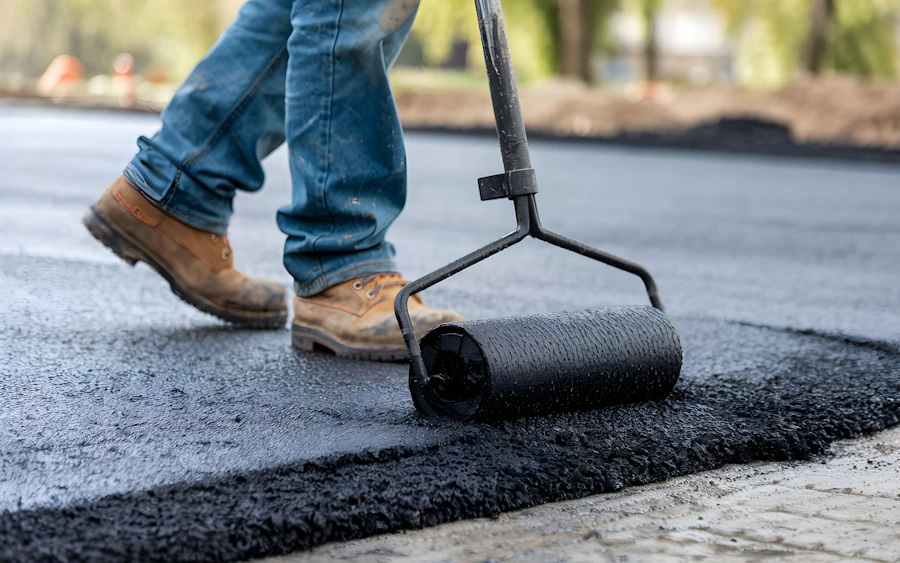
WAUKESHA — I spent 34 years with the Department of Public Works, the last eleven of them as a supervisor, and I've learned that the city only ever plans for weather that already happened. The heat index hit 106 degrees in parts of the county this week, the same week I watched a crew patch a water main break on Sunset Drive for the second time since June, and I want to say plainly, before anyone accuses me of alarmism, that this is not an emergency column. It is a scheduling column. We have roughly seven months before bid season opens for spring work, and if the city waits until May to start thinking about next summer, it will once again be reacting to a heat wave instead of preparing for one.
I am not predicting a hotter summer than this one. I have no basis for that and wouldn't offer it if I did. What I'm saying is simpler: this summer was not unusual enough to justify being unprepared for the next one, and every year we treat it as a surprise, it costs us more than it would to just plan.
What July Already Showed Us
Anyone who was paying attention over the last two weeks watched this play out in real time, one department at a time, each one improvising. The library system extended hours and added an ice station after wait times for seating in the main reading room hit 15 to 20 minutes at peak hours. The Parks Department floated pushing youth baseball and soccer to 7 p.m. starts because nine-year-olds shouldn't be standing in outfield grass at the top of the heat index. And on the one day the National Weather Service actually issued a heat advisory, the downtown freight train sat on the Broadway crossing for the better part of 30 minutes anyway, which meant anyone trying to get somewhere cooler sat in a car with the windows up, because that's apparently the one system in this city that doesn't check the forecast.
None of those responses were wrong. They were the right calls, made fast, by people doing their jobs under conditions nobody scheduled time to prepare for. That's exactly my point. Good improvisation is still improvisation. We got through it. I'd rather we not have to get through it again.
1998, For Anyone Who Doesn't Remember It
I was eleven years into my career when the 1998 heat wave hit, and I was on the crew that responded to four separate water main breaks in a nine-day stretch, two of them on mains laid before 1970. The city's own records put the emergency repair total for that stretch at $340,000, and that's before you count the overtime, the road closures, or the guy on Randall Street who lost water pressure for two days during the hottest week of the year. That number is almost 30 years old. A meaningful share of our water main network is older than that number is.
"Nobody gets credit for the pothole that didn't happen. That's fine. I didn't do 34 years of this work for the credit."
— Bob Krueger, retired Waukesha DPW supervisor
I raised the water main question with Councilman Gary Puchalski, who I will credit with taking my calls even when he clearly recognizes the number on his phone before he picks up. Puchalski said infrastructure resilience is "on the radar" for the fall budget discussions, which is a phrase I have learned means somewhere between a firm commitment and a drawer with some ideas in it. I'd like it to mean the former this time.
What Actually Needs To Happen Before Spring
None of this requires heroics. It requires a list and a calendar. First, the city should designate a standing set of cooling locations, likely the library branches and the community centers that already have the HVAC capacity, rather than deciding on the fly each time which building has the coldest air. Second, water main capacity in the sections laid between the 1960s and the 1980s needs to move up the replacement schedule, not because anything is failing today, but because failing today is exactly how the 1998 repairs happened, too. Third, general maintenance schedules, sidewalk buckling, transformer inspections, storm drain clearing, need a heat-specific pass added to them, the same way we already do a winter pass every October.
None of that is exotic. All of it needs to be bid, budgeted, and scheduled by spring if it's going to be finished before next summer, and bid season starts in the winter, which means the planning has to start now, in August, while it's still hot enough that nobody has to be reminded why.
On the worst afternoon this month, Ned England, who tracks air quality from the Frame Park pedestrian bridge by counting visible lampposts, told me he could only make out four of the usual nine through the heat haze. I don't know what that measures, technically. But I know what it's like to explain to a resident, after the fact, why the water main under their street wasn't on anyone's list until it broke. I'd rather explain the list beforehand. It's a shorter conversation.
This isn't a call to panic about next summer. It's predictable stuff we should handle, the same way we handle snow removal or leaf pickup, because we already know it's coming. I spent 34 years fixing things after they broke. I'd like the city to spend the next seven months proving it learned something from watching me do it.